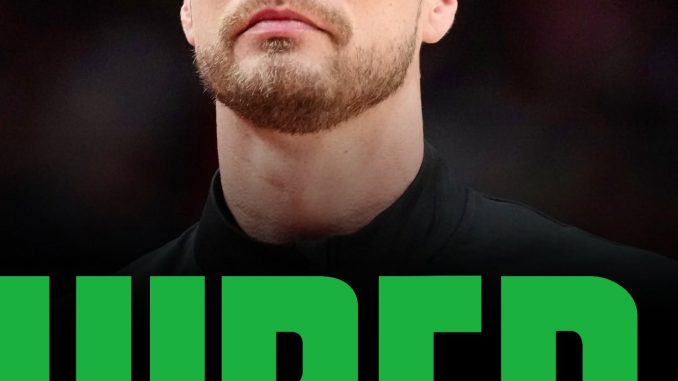
The Chicago Bulls have made a decisive move in shaping the future of one of the NBA’s most recognizable franchises, officially naming Tiago Splitter as the organization’s new head coach. The appointment marks a significant milestone for both the Bulls and Splitter, a former NBA champion whose journey from international standout to respected NBA assistant has now culminated in one of the league’s most prestigious leadership positions.
For a franchise seeking stability, direction, and a return to sustained contention, the decision reflects a belief that Splitter possesses the experience, basketball intellect, and leadership qualities necessary to guide Chicago through its next era. While coaching hires often generate excitement and speculation, this move carries an added layer of intrigue given Splitter’s unique basketball background and his steady rise through the coaching ranks.
The former San Antonio Spurs center is best remembered by many NBA fans as a key contributor to the Spurs’ championship-winning team in 2014. Playing alongside legends such as Tim Duncan, Tony Parker, and Manu Ginóbili, Splitter was an important piece of one of the most celebrated teams in league history. That Spurs squad became synonymous with selfless basketball, elite ball movement, disciplined defense, and a team-first culture that has influenced organizations throughout the NBA for more than a decade.
Now, Chicago hopes some of those same principles can help transform the Bulls into a consistent winner once again.
Splitter’s basketball journey has been anything but conventional. Long before reaching the NBA, he established himself as one of the top international players in the world. Born in Brazil, he developed into a dominant force in Europe, earning accolades and championships while playing professionally overseas. His success abroad made him one of the most accomplished international prospects of his generation before eventually making the move to the NBA.
When Splitter joined the Spurs, he entered one of basketball’s most respected organizations. Under the guidance of legendary coach Gregg Popovich, Splitter gained firsthand experience in a culture built on accountability, preparation, and teamwork. Those years proved invaluable, not only for his development as a player but also for shaping his future coaching philosophy.
Throughout his playing career, Splitter was known for his intelligence on the court. He was not the flashiest player, nor was he the focal point of an offense. Instead, he excelled through positioning, decision-making, communication, and an understanding of team concepts. Those qualities often translate well into coaching, and many around the league viewed him as a potential future head coach long before he officially entered the profession.
Following the conclusion of his playing career, Splitter quickly transitioned into coaching roles, earning respect from players and executives alike. Rather than relying solely on his reputation as a former champion, he worked his way through the coaching ranks, developing a reputation as a detailed teacher of the game.
His coaching résumé steadily expanded through several NBA organizations. Working alongside experienced coaching staffs, Splitter gained valuable insight into player development, game planning, modern offensive systems, and defensive schemes. He became known for his ability to connect with players, particularly younger athletes navigating the challenges of professional basketball.
That player-development reputation may prove especially important in Chicago.
The Bulls find themselves at a crossroads. Although the franchise remains one of the NBA’s most recognizable brands, success has been difficult to sustain in recent years. Chicago has experienced flashes of promise but has struggled to establish itself among the Eastern Conference elite. The front office clearly believes that Splitter can help unlock the potential of the roster while creating a culture capable of producing long-term success.
One of the most important tasks facing the new coach will be fostering growth among the team’s younger players while maximizing the contributions of veterans already on the roster. Modern NBA coaching extends far beyond drawing up plays or managing rotations. Today’s head coaches must serve as communicators, motivators, teachers, and leaders capable of guiding players through an increasingly demanding league landscape.
Splitter’s international background may also prove beneficial in a league that continues to become more global every season. Having played and coached alongside athletes from a wide variety of cultures and backgrounds, he brings a perspective that resonates in today’s NBA. His experiences competing at the highest levels in both Europe and North America have given him a broad understanding of the game and the different pathways players take to reach the professional level.
The hiring also signals Chicago’s willingness to embrace a fresh voice. Across the league, organizations have increasingly looked beyond traditional coaching candidates in search of innovative thinkers capable of connecting with modern players. Splitter fits that profile. While he may be a first-time NBA head coach, he arrives with years of experience working within successful basketball environments.
For Bulls fans, there is understandable curiosity about what his teams will look like on the court. Given his roots in San Antonio, many observers expect elements of the Spurs’ philosophy to influence Chicago’s identity. Ball movement, player movement, defensive discipline, and unselfish play could become central pillars of the Bulls’ approach under Splitter.
Of course, every coach must ultimately adapt to the strengths of his personnel. The NBA has evolved dramatically since Splitter’s playing days, with greater emphasis on pace, spacing, three-point shooting, and positional versatility. Successful coaches are those who blend foundational principles with modern innovation. Chicago will be counting on Splitter to strike that balance.
The challenge ahead should not be underestimated. Coaching in a major market brings heightened expectations and constant scrutiny. Few franchises in professional sports carry the historical weight of the Bulls. The organization’s legacy remains closely tied to the championship dynasty led by Michael Jordan, Scottie Pippen, and coach Phil Jackson. Every new era is inevitably measured against that standard.
While no one expects immediate championship contention, fans will want to see progress, identity, and a clear vision for the future. Splitter’s ability to establish that vision from day one could determine the trajectory of his tenure.
Within league circles, the appointment has generated significant interest. Former players who have worked with Splitter frequently praise his basketball knowledge and calm demeanor. Those qualities can be invaluable during the inevitable challenges of an NBA season, where injuries, losing streaks, and roster adjustments test every coaching staff.
His experience as a former player may also help him earn credibility in the locker room. Players often appreciate coaches who understand the realities of life on the court because they have experienced those challenges themselves. Splitter’s years battling against elite competition provide him with firsthand insight into the demands of the profession.
Another key factor in his success will be assembling a strong coaching staff. The best head coaches understand the importance of surrounding themselves with talented assistants who bring diverse perspectives and expertise. As Splitter begins building his staff, attention will likely focus on the individuals he chooses to help implement his vision.
Front-office alignment will be equally important. Successful franchises typically operate with clear communication between ownership, management, and coaching personnel. The Bulls’ decision to place their trust in Splitter suggests organizational confidence that his philosophy aligns with the long-term direction of the team.
From a developmental standpoint, Splitter’s reputation could become one of Chicago’s greatest assets. The NBA increasingly rewards organizations capable of identifying and nurturing talent. Coaches who excel at player development often create sustainable success by helping young players reach their full potential. If Splitter can establish that kind of environment, the Bulls may position themselves for meaningful growth in the years ahead.
His appointment also represents another significant achievement for international basketball. The global influence on the NBA continues to expand, not only through players but also through coaches and executives. Splitter’s rise from Brazilian prospect to NBA champion and now NBA head coach reflects the increasingly international nature of the league.
For aspiring players and coaches around the world, his journey serves as a powerful example of how basketball opportunities can transcend borders. His success reinforces the idea that talent, preparation, and persistence can create pathways to the highest levels of the sport regardless of where a person begins.
As the offseason continues, attention will quickly shift toward how Splitter plans to shape the Bulls moving forward. Training camp, roster decisions, and offseason development programs will all provide early indications of his priorities and philosophy. Every public appearance, media session, and organizational move will be analyzed for clues about the team’s future direction.
What remains clear is that the Bulls have chosen a coach whose career has been defined by steady progression and earned opportunity. Splitter was not handed this position based solely on his playing accomplishments. Instead, he reached this point through years of preparation, learning, and professional growth.
The expectations will be significant, but so will the opportunities.
Chicago enters a new chapter with a coach who understands championship culture, values teamwork, and has spent years preparing for this moment. Whether he can translate those experiences into victories on the sidelines remains to be seen, but the Bulls have made their choice and committed to a new vision.
For Tiago Splitter, the challenge now shifts from preparation to execution. For the Chicago Bulls, the hope is that their newest head coach can help restore the franchise to prominence and guide one of basketball’s most iconic organizations toward a brighter future.
The next chapter in Chicago basketball has officially begun, and it will be written with Tiago Splitter at the helm.
Be the first to comment