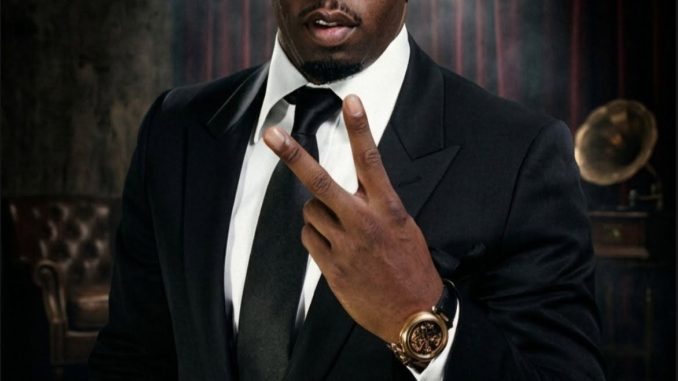
The spotlight surrounding Game 3 of the NBA Finals was already expected to be enormous as the series shifts to Madison Square Garden, but a surprising off-court development has added another layer of intrigue to one of basketball’s biggest nights. According to reports, music mogul Sean Combs, widely known around the world as Diddy, has been barred from attending Game 3 of the NBA Finals in New York, creating a wave of discussion that has quickly spread across the sports and entertainment landscapes.
As anticipation continues to build for the pivotal Finals matchup, the reported decision has become one of the most talked-about storylines surrounding the event. While the focus of the evening remains firmly on the players battling for a championship, the news involving one of the entertainment industry’s most recognizable figures has inevitably captured attention across social media, sports talk shows, and fan communities.
Madison Square Garden has long been regarded as one of the most iconic venues in sports. The arena has hosted championship contests, historic boxing matches, unforgettable concerts, and countless moments that have become part of American sports culture. Celebrity appearances are often as much a part of the Garden experience as the games themselves, with actors, musicians, business leaders, and public figures regularly occupying courtside seats during major events.
That tradition is especially evident during the NBA Finals. Every year, the championship round attracts a star-studded audience that extends far beyond basketball. Cameras routinely pan toward famous faces sitting courtside, and celebrity attendance often becomes a subplot to the action unfolding on the court. From Hollywood actors to Grammy-winning musicians, the Finals provide a gathering place for some of the most influential figures in entertainment.
That reality is what makes the reported decision regarding Diddy such a significant talking point. The music executive has been a familiar presence at high-profile sporting events for decades. Throughout his career, he has been associated with major cultural moments, often appearing at championship games, boxing events, award shows, and other premier gatherings. His visibility within both the entertainment and sports worlds has made him one of the most recognizable public figures of his generation.
As word spread that he would reportedly be prohibited from attending Game 3, reactions emerged from every corner of the sports community. Some fans expressed surprise that such a prominent celebrity would be absent from one of the year’s biggest sporting spectacles. Others argued that the game itself should remain the central focus and that celebrity attendance, while noteworthy, ultimately pales in comparison to the championship stakes facing the teams on the floor.
The timing of the report has only amplified its impact. Game 3 is widely viewed as a potentially decisive contest in the series. Momentum can shift dramatically in a Finals matchup, and teams understand the importance of capitalizing on every opportunity. With thousands of fans expected to fill Madison Square Garden and millions more watching worldwide, the atmosphere is expected to be electric from the opening tip.
For the players involved, however, external storylines are unlikely to alter their preparation. Championship basketball demands complete concentration. Coaches spend countless hours studying film, identifying weaknesses, and developing game plans designed to exploit favorable matchups. Players dedicate themselves to recovery, practice, and mental preparation, understanding that even a single possession can influence the outcome of a Finals game.
Still, major events often become larger than the competition itself. The NBA Finals have evolved into a global entertainment spectacle where sports, music, fashion, and celebrity culture frequently intersect. Courtside seats are regularly occupied by some of the world’s most recognizable names, and those appearances generate headlines almost as quickly as the action on the hardwood.
In that context, the report involving Diddy has naturally generated widespread curiosity. Fans have sought answers regarding the circumstances surrounding the decision, while media outlets have devoted significant coverage to the developing situation. The story has become a prominent conversation topic despite having no direct impact on the players competing for a championship.
The NBA has experienced similar moments before, where off-court developments unexpectedly became part of the Finals narrative. Whether involving celebrity attendance, ownership controversies, player storylines, or unexpected incidents away from the court, championship series often produce headlines that extend beyond basketball. Such stories reflect the league’s unique position at the intersection of sports and popular culture.
For Madison Square Garden, the attention surrounding Game 3 was already immense. The arena has served as the backdrop for some of basketball’s most memorable moments, and the return of the NBA Finals to New York has generated tremendous excitement among fans. Tickets have been in exceptionally high demand, businesses around the city have embraced the championship atmosphere, and anticipation has steadily increased as game day approaches.
The Garden’s reputation as “The World’s Most Famous Arena” stems from its ability to create unforgettable moments. Legendary performances have unfolded beneath its bright lights, and generations of athletes have spoken about the unique energy produced by the venue. When the NBA Finals arrive, that atmosphere becomes even more intense.
Adding a celebrity-related controversy to the mix only increases public fascination. Sports fans have become accustomed to seeing entertainment icons courtside during marquee events. Their presence often enhances the spectacle, providing television broadcasts with memorable reaction shots and generating additional social media engagement. Consequently, news that a major celebrity reportedly will not be in attendance has become a story in its own right.
Across social media platforms, reactions have ranged from disbelief to indifference. Some users questioned whether the development should matter in the context of a championship series, while others viewed it as a significant cultural story due to Diddy’s longstanding prominence in entertainment. The debate reflects the modern reality of sports coverage, where conversations frequently extend beyond wins, losses, and statistics.
Meanwhile, players and coaches remain focused on the challenge ahead. The intensity of the NBA Finals leaves little room for distraction. Every possession carries increased significance, every defensive rotation matters, and every adjustment can determine the direction of a series. Teams understand that championships are won through execution, discipline, and resilience rather than off-court narratives.
Nevertheless, the broader spectacle surrounding the Finals ensures that stories like this continue to gain traction. Television networks dedicate extensive resources to covering championship events, and audiences consume information about every aspect of the experience. From celebrity attendance and fashion choices to pregame entertainment and fan reactions, the Finals have become a cultural event as much as a sporting contest.
Diddy’s reported absence will likely be noticed precisely because he has spent years occupying spaces at the center of major cultural moments. Whether through music, business ventures, or public appearances, he has remained a prominent figure in popular culture for decades. As a result, any development involving his participation in a high-profile event tends to attract substantial attention.
The situation also underscores the unique visibility of the NBA compared to many other professional sports leagues. Basketball’s connection to music, fashion, and entertainment has become one of its defining characteristics. Players often collaborate with artists, celebrities attend games regularly, and major NBA events frequently serve as meeting points for influential figures across multiple industries.
That crossover appeal has helped the league expand its global reach. Fans around the world follow not only the games themselves but also the broader culture surrounding them. Consequently, stories involving celebrities can generate headlines that resonate far beyond traditional sports audiences.
As Game 3 approaches, however, the primary storyline remains the battle for the Larry O’Brien Trophy. Championships are defined by performances under pressure, and the athletes competing on the floor understand the magnitude of the moment. The opportunity to compete in the Finals represents the culmination of years of dedication, sacrifice, and hard work.
The crowd at Madison Square Garden is expected to provide one of the loudest and most passionate environments of the season. Every basket, defensive stop, and momentum swing will be met with an emotional response from fans eager to witness history. The energy inside the building promises to be extraordinary regardless of which celebrities occupy the front-row seats.
In many ways, that reality serves as a reminder of what ultimately matters most during the NBA Finals. While celebrity stories can dominate headlines and generate widespread discussion, the essence of the event remains the competition itself. Fans tune in to watch elite athletes pursue greatness, chase championships, and create moments that will be remembered for years to come.
Even so, the report regarding Diddy’s status has undeniably become part of the conversation surrounding Game 3. It has added an unexpected wrinkle to an already highly anticipated night and ensured that interest in the event extends beyond basketball circles. Whether viewed as a major development or merely a sideshow, the story has succeeded in capturing public attention at a time when the sports world is focused squarely on the NBA Finals.
As tipoff draws closer, the headlines will gradually shift back toward matchups, strategies, and championship implications. Coaches will finalize game plans, players will prepare for the challenge ahead, and fans will flood into Madison Square Garden expecting another unforgettable chapter in Finals history. Yet the unusual report involving one of music’s most recognizable figures will remain a notable part of the buildup.
Ultimately, Game 3 will be remembered for what happens on the court. Championships are not determined by celebrity attendance but by execution, determination, and performance under pressure. Still, the reported decision to bar Diddy from attending the game has provided an unexpected storyline that has further elevated interest in an already monumental event. In a Finals series filled with drama, intensity, and anticipation, it is another reminder that when sports and entertainment collide, headlines can emerge from the most unexpected places.
Be the first to comment